Check the route. Read the defense. Watch the station you leave behind.
Read three things before making a move
Find your stations, the unclaimed stations and the stations held by rivals. Then follow the connections between them. Two stations can look close on the screen without sharing a usable route. Position matters, but connectivity decides where you can send a fleet.
A low drone count does not automatically make a station your best first target. Ask what capturing it will unlock. A cheap dead end and a station that opens two useful routes can have very different value.
Drag to send, or select and tap a target
Drag from your station to a valid target and release to send drones. You can also tap one or more of your stations to select them, then tap an unclaimed or rival station. Each selected source needs its own valid route.
Tapping a friendly station selects or deselects it. Use a drag to send friendly reinforcements. An aiming line is feedback for your gesture; it does not create a connection where none exists. A source without a legal route will not send.
A send commits the available fleet
A command commits the source’s full available drone count. This is not a small scouting party. As the drones launch, the station you leave behind becomes less defended. You can win the target and still lose the position you needed to hold.
After each capture, look back. Is an enemy fleet heading towards your source? Did the new station expose another front? Can a safer station reinforce your position with a friendly drag?
A drone count is not a capture requirement
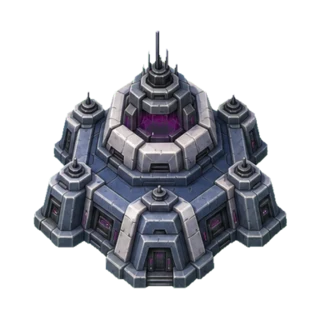
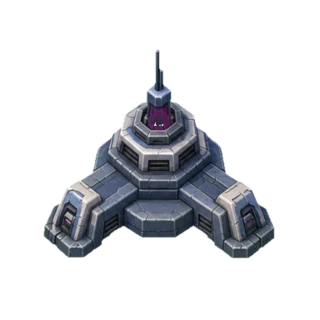
The number on a station is its current drone count. Its role and equipped card effects can change its defensive strength. Do not assume that matching the visible number will capture every target. Shield stations deserve particular attention.
Use the estimated capture information shown during a drag. It describes the current state, rather than guaranteeing what the target will look like when your fleet arrives. Production, reinforcements and ownership can change during travel. Leave a margin when an attack looks close.
Think in three loadout categories
Your loadout has one active card in each category: Station, Fleet and Production. Upgrading a card in your collection does not give you its bonus while another card occupies that slot.
Core Station, Drone Engines and Drone Factory are usable base modules from the start. The first shard of an alternative module unlocks its base use in the appropriate category. Check Equipment for the shards and credits needed for an upgrade, and confirm that the module you intend to use is equipped.
Know when the battle is actually over
Taking the last enemy station does not always mean immediate victory. Launched enemy drones can still take a station and keep that faction in the battle. In a battle that starts with enemies, victory requires them to have no stations and no surviving launched drones. You can leave unclaimed stations on the map.
The same rule protects your own comeback: losing your last station is not elimination while your launched fleet survives. Enemy-free training levels use a different objective: capture every station.
Change one decision on a retry
When a battle goes wrong, choose one decision to test on your next attempt. Change your first target, the timing of your opening attack or how you protect the station you leave behind. Changing one thing makes it easier to understand why the result improved.
A useful first goal is small: take two stations, preserve your connections and survive the first counterattack. You do not need to solve the entire map in your opening move.
Questions, answered
Why does tapping my station not send reinforcements?
Tapping your own stations changes the selection. Drag from one friendly station to another to reinforce it.
Do all upgraded cards give bonuses at once?
No. The equipped card in each category provides its active effect. Other cards keep their levels in your collection.
Is a station with zero drones a guaranteed capture?
A zero count does not change ownership by itself. The role, active effects and arrival state still matter. Check the capture estimate.